NoSalt can add a salty taste to vegetables, rice, soup, and other foods you already cook. Learning where you like it takes a little tasting: potassium chloride doesn't taste exactly like table salt to everyone. Start with a small portion, keep the rest of the recipe familiar, and use the tips below to work through the dish.
Start with one familiar dish
Roast a tray of carrots as you usually would, but leave the final seasoning until serving. Put a few pieces in a separate bowl and try NoSalt there first. Keep the oil, pepper, and herbs the same so you can judge the difference. If you don't enjoy the result, the rest of dinner is still yours to finish another way.
Choose a food with enough character of its own. Roasted vegetables have browned edges; tomatoes bring acidity; mushrooms offer a savory base. NoSalt adds saltiness alongside those flavors. A plain spoonful of seasoning is a poor substitute for tasting a finished bite, and tasting a concentrated amount tells you little about how it will work throughout dinner.
Use a clean spoon for each taste and let hot food cool enough to eat comfortably. Try a bite with the sauce and toppings you plan to serve. A carrot on its own may seem underseasoned, while the same carrot with a lemon dressing tastes balanced. Give yourself a moment between tastes; hurried additions are difficult to undo.
If you like the result, jot the change beside the recipe. Include when you added the seasoning and which herbs or sauce you used. Next time, you'll have something more reliable than a memory of shaking the container over the pan. The single 11 oz canister lets you try Original before buying several containers.
Separate saltiness from the rest of flavor
A satisfying meal usually contains several kinds of flavor. A roasted onion tastes sweet and savory. Lemon brings a sharp edge and a fresh aroma. Black pepper adds a warm bite. Saltiness is part of that picture, but it cannot replace everything else. When a dish seems flat, adding more of a salt alternative may leave the underlying problem untouched.
First smell the food. A warm sauce may need garlic, a handful of chopped herbs, or a little toasted spice. Next consider its richness. A very rich dish can benefit from an acidic ingredient, while an aggressively sharp dish may need a more balanced base. Finally, look at texture: crisp vegetables and tender grains make a bowl more interesting before any extra seasoning is added.
This approach does not require an elaborate pantry. Pick two or three flavor partners you already enjoy, such as parsley, garlic, and lemon. Check the labels of prepared blends rather than assuming a familiar name means no added salt. A garlic seasoning blend and plain garlic powder are not necessarily the same product, even when their containers look similar.
| If the food tastes | Try adding | What to check first |
|---|---|---|
| Dull in aroma | Herbs, garlic, or a suitable spice | Whether a prepared blend includes salt |
| Heavy or overly rich | A small amount of lemon or vinegar | The existing acidity of the sauce |
| Soft throughout | A crisp vegetable or toasted garnish | Whether the garnish adds unwanted sodium |
| Missing a salty note | NoSalt, if suitable for you | The package directions and your preferred taste |
Give vegetables room to brown
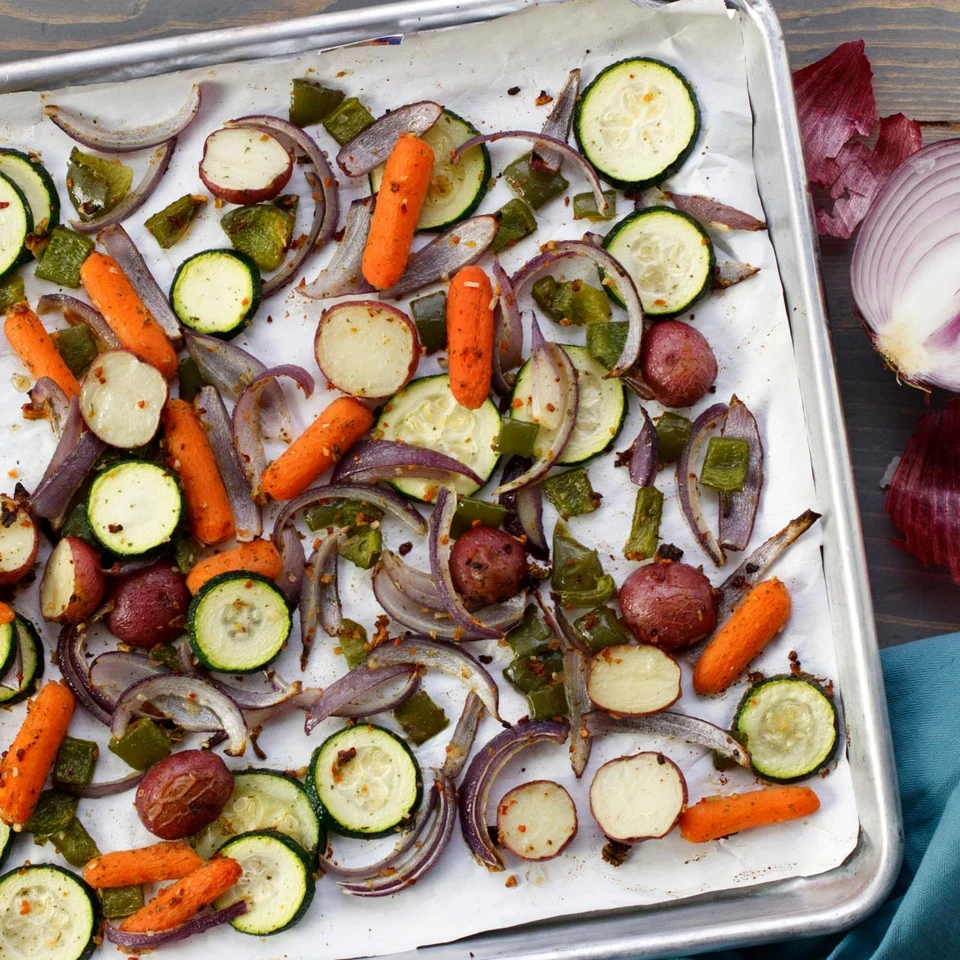
Dry washed vegetables before putting them on a roasting tray. Cut them into pieces that will cook at roughly the same rate, then spread them out in a single layer. If the pan is crowded, use a second one. Browning adds flavor that extra seasoning can't supply, so give the vegetables enough room before you worry about finishing the dish.
Broccoli florets, thick carrot pieces, and slices of zucchini won't necessarily finish together. Check the smaller pieces first and move them off the tray when they're ready. You can also start the denser vegetables earlier or use separate trays. Aim for carrots that are tender and zucchini with some color, instead of keeping everything in the oven for the same length of time.
After cooking, move a little of the food to a bowl and season that portion. Toss thoroughly so the seasoning reaches more than one surface. Taste a complete bite with its herbs or dressing. If you like it, use the same approach for the remainder. This is especially helpful when another person at the table prefers a different level of seasoning.
Try carrots and zucchini with olive oil, black pepper, and parsley. Serve lemon wedges alongside so each person can add a squeeze. If you prefer a stronger herb flavor, chop the parsley just before serving and scatter it over the warm vegetables. These are cooking suggestions; the ingredients and quantities you use will determine the sodium content of the finished plate.
Season grains as part of the whole bowl
Before seasoning rice or couscous, decide what will go on top. Beans, cheese, a prepared dressing, and a spoonful of sauce all change the finished bowl. Put a little of each component on your tasting spoon. That combination is a better guide than the plain grain, especially when the topping already has a strong flavor or contains added salt.
For a flexible grain bowl, cook the grain according to its package instructions and prepare the toppings separately. Keep the base relatively simple, then combine a small amount with your vegetables, protein, and dressing. Taste that combination before making the final adjustment. You may find that a bright dressing and fresh herbs do much of the work.
When using broth, compare labels and serving sizes. A product described as reduced sodium can still contribute sodium; it is not interchangeable with a sodium-free product. Water with suitable aromatics can also be an option when it fits the recipe. Keep any changes compatible with your dietary guidance, rather than assuming that one label claim makes an entire bowl appropriate.
Leftovers deserve a fresh taste check. Grains can absorb sauce during storage, and chilled food may taste different when reheated. Reheat safely, add any delicate finishing ingredients afterward, and taste again before seasoning. Avoid automatically repeating the original amount. For more planning ideas, see our guide to everyday meals with NoSalt.
Build a soup before making the final adjustment
Leave soup's final seasoning until the texture is right. Liquid evaporates as the pot simmers, and the broth can taste stronger by the time the vegetables are tender. If you keep adding seasoning at every stage, you may overshoot. Stir the finished soup, let a spoonful cool, then decide what it needs before adding anything else to the pot.
Begin with the ingredients that give the soup its character. For a vegetable soup, that may be onion, celery, carrots, tomatoes, and herbs. For a bean soup, the beans and cooking liquid matter just as much as the spice mix. Read the labels on canned ingredients and prepared stocks so you understand what they already bring to the pot.
Stir well before taking a sample, and taste after the soup has reached its intended consistency. If you want to try NoSalt for the first time, set aside a small bowl and season it separately. This approach is also useful for a shared household: the main pot remains flexible, and each person can follow their own needs at the table.
Choose a garnish that belongs with the soup. Parsley can finish a vegetable broth; a little citrus zest can brighten a bowl that already has lemon in it. Taste one addition before trying another. If you add herbs, vinegar, and a prepared sauce together, you won't know which change you want to repeat when you make the soup again.
Keep cooking safety separate from seasoning
Use clean tools, keep raw meat away from ready-to-eat foods, and follow the cooking-temperature guidance for what you're making. Changing the seasoning doesn't change those requirements. Keep a clean plate ready for the cooked food, and separate any sauce you want to serve before the rest touches raw meat. Use NoSalt for flavor once you have those preparations in place.
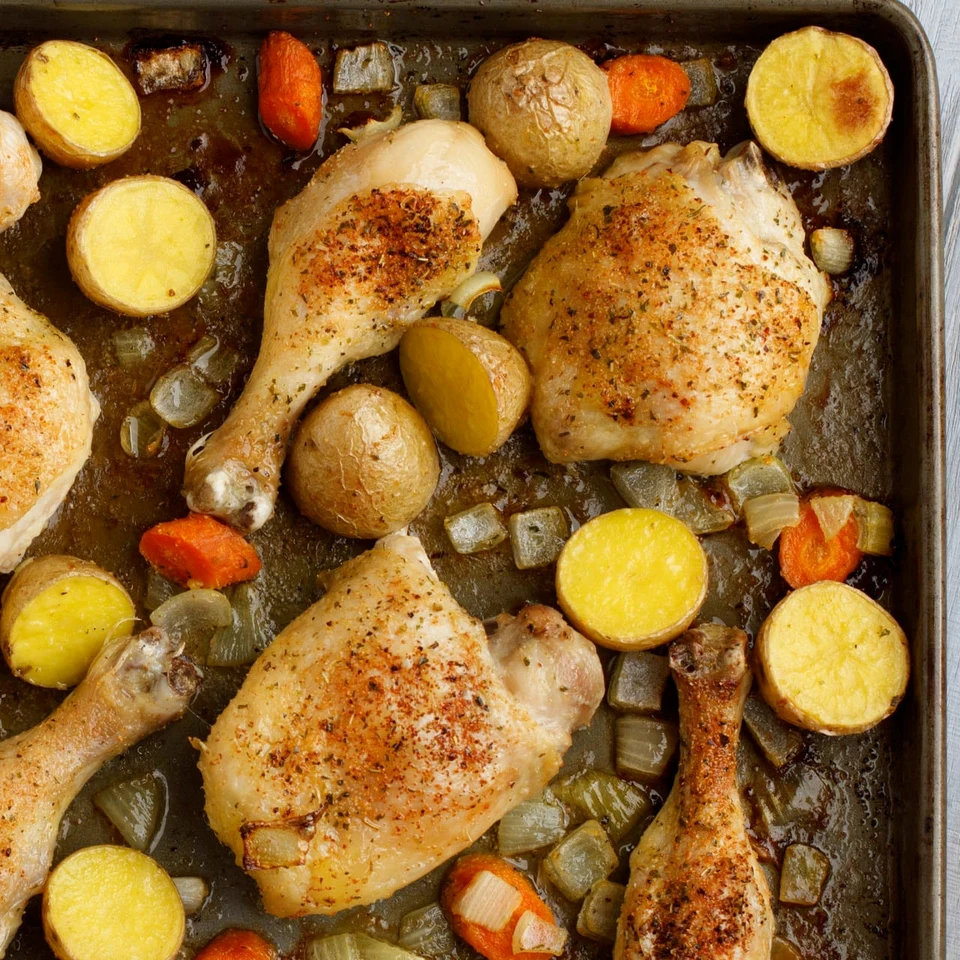
Think about the sides as well as the main dish. Roast chicken with vegetables can take its flavor from browning, garlic, herbs, and a squeeze of lemon. If NoSalt is suitable for you, use it according to the package directions and your taste. There is no need to cover every ingredient with the same heavy seasoning blend.
Prepared marinades, sauces, and rubs deserve special attention because their names do not tell you their sodium content. Compare the Nutrition Facts and ingredients, including how much of the product the listed serving represents. A small serving on the label may be much less than the amount you usually pour over a meal.
Do not reuse marinade that has touched raw meat as a ready-to-eat sauce without an appropriate food-safety step. An easier routine is to set aside a clean portion before marinating. Likewise, place cooked food on a clean plate. These habits belong to the preparation process regardless of whether the meal uses table salt, NoSalt, or neither.
Season your own serving
Seasoning your own plate gives you more control than seasoning a shared pan. You can taste the result immediately, and everyone else can finish their serving as they prefer. Begin with a few bites of the food as it is. Add NoSalt to part of the serving, mix it through, and compare before deciding whether to season the rest.
Check the shaker opening before you pour. For finer control, shake a little into a clean, dry spoon and add it from there. This helps avoid a sudden spill over one bite of food. It doesn't set an intake amount: follow the package directions and any advice you've received about how much of a potassium-based salt alternative you can use.
Keep the original container available even if you use another shaker for serving. Everyone who uses the product should be able to identify it and read its ingredients. A potassium-based alternative should not be placed in an unmarked container that looks like ordinary table salt. In a shared household, a clear label is more useful than a decorative matching set.
You may notice a different aftertaste, particularly in a lightly flavored dish. Stop and taste the food again before reaching for more. If the taste doesn't appeal to you, finish the remaining food with herbs, citrus, or another seasoning you can use. You might like Original with some meals and prefer something else with others; customers' tastes differ too.
Understand what a baking recipe asks salt to do
NoSalt's directions include cooking and baking. Before changing a baking recipe, check why it calls for salt. A final pinch for flavor is different from salt mixed into a dough, where fermentation and structure also matter. A tested variation of the recipe can answer that question more clearly than a general substitution chart. Keep the original recipe beside your notes when you try a change.
Make a small batch first and measure carefully. Keep the flour, fat, liquid, and method unchanged, so you can tell what the seasoning swap did. Note whether the dough behaved differently and whether you liked the baked result. If it didn't work, return to the original recipe or find a tested alternative instead of changing several more ingredients at once.
Do not treat NoSalt as a replacement for baking powder or baking soda. They are different ingredients with different jobs. A recipe that contains no added table salt can still include sodium from other ingredients. If your goal involves a particular sodium limit, examine the whole formula and portion size rather than judging it by one substitution.
For yeast bread, use instructions that address the salt substitution in that recipe. For preserved or cured food, follow a tested formula that explicitly allows the change. A direction to use a product in cooking isn't a substitute for those instructions. Keep the original recipe's ingredient amounts and process together; don't combine a substitution from one source with a preservation method from another.
Keep preservation and seasoning in different categories
Seasoning a bowl of vegetables is a different task from curing meat, fermenting vegetables, or preserving a batch of pickles. In those processes, ingredient proportions and methods may affect safety as well as flavor. Do not replace salt in a preservation formula simply because a product tastes salty. Follow a reliable tested recipe that permits the exact substitution.
The same distinction applies to homemade electrolyte mixtures. A canister sold as a salt alternative does not provide an individualized hydration plan. Recipes shared casually online may not fit your health, medicines, or nutritional needs. Use the product for its stated culinary purpose and discuss supplement or electrolyte questions with a qualified healthcare professional.
Keep labels and household instructions simple. A note such as “potassium-based salt alternative” helps another cook understand what is in the container. Avoid a homemade label that says only “healthy salt.” That phrase hides the most important distinction and implies suitability for everyone. Clear identification is particularly useful when guests help prepare a meal.
Leave the shaker out when it doesn't improve the dish. A tomato salad may need basil and a dressing; a soup may already taste seasoned from its broth. Having NoSalt in the cupboard doesn't mean every meal needs it. For a closer look at what distinguishes it from table salt and herb blends, read the label and pack guide.
Troubleshoot the result one change at a time
If a dish tastes too strongly seasoned, stop adding ingredients for a moment. Think about whether the flavor is concentrated in a small area or mixed throughout. Tossing or stirring may correct an uneven distribution, while a larger problem may call for combining the food with more of an unseasoned component. Do not assume that another seasoning will cancel the first one.
If you notice a bitter or metallic taste, don't keep adding seasoning to chase it away. Set the shaker aside and try a bite of the unseasoned food for comparison. You can try a smaller amount another time, or choose a different seasoning. A favorable review can't tell you what you'll enjoy, and you don't need to finish a dish in a way you dislike.
If a sauce seems flat, look at its aromatic and acidic ingredients before increasing saltiness. If a vegetable seems watery, reconsider the cooking method next time. If a grain bowl seems monotonous, add contrast in texture. These observations tell you more than a simple “needs more seasoning” verdict and help you improve the underlying meal.
| Problem | First check | Useful next step |
|---|---|---|
| One bite is much stronger | Uneven distribution | Mix thoroughly before reassessing |
| Vegetables taste watery | Pan crowding and moisture | Adjust preparation next time |
| A bowl feels repetitive | Texture and aroma | Try cucumber, chopped herbs, or a crunchy garnish |
| The alternative's taste does not suit you | Your own preference | Try herbs or citrus that suit the dish |
Try a small dressing before seasoning a whole salad
Make a small bowl of dressing before you dress the salad. Choose an oil, lemon juice or vinegar, and one herb you like with the vegetables. Whisk or stir them together, then dip a piece of cucumber or a leaf into the mixture. This gives you a taste of the dressed food before you commit the whole salad bowl.
Use the first dressed leaf to decide what to adjust. If the vinegar overwhelms the vegetable, add a little oil; if the dressing seems heavy, try a few more drops of lemon juice or vinegar. Stir after each addition. If NoSalt is suitable for you, add it according to the package directions and taste another dressed leaf before changing the mixture again.
Dress only the portion you intend to eat when that helps preserve the remaining ingredients. A whole bowl of dressed leaves can become less appealing while you are still deciding how to finish dinner. Keeping the components separate also lets another person choose their own dressing. This is a practical way to share one set of ingredients without assuming everyone wants the same seasoning.
Add the salad's other toppings to your test bite. Olives, cheese, prepared chicken, and packaged croutons can bring their own seasoning and sodium. A dressing that seems mild on a plain leaf may be enough once those ingredients are included. Taste the assembled bite before adding NoSalt, then stir the dressing again so any addition is distributed throughout it.
When you find a combination you like, write down the ingredients and the order you used. Record whether you added the dressing before or after the warm components, and whether the salad included a strongly flavored topping. Those details make the next attempt easier to reproduce. You can then change one vegetable or herb while keeping the underlying method familiar.
When a small dressing batch goes wrong, making a fresh one can be easier than rescuing it. Start with less of the ingredient that dominated, then taste on the food again. Keep the bowl small until you have a combination you like. Pouring more oil, vinegar, and seasoning into the first attempt often leaves you with more dressing than you wanted in the first place.
Keep the combinations you like
Keep notes for the dishes you'll actually cook again. For a vegetable tray, record the vegetables, herbs, and whether you seasoned before or after roasting. For a grain bowl, include the dressing and toppings. A note such as 'taste after adding the dressing' may be all you need to avoid repeating an over-seasoned bowl next week.
Store the canister according to its label and keep it dry. Close the lid after use, and avoid holding an open container directly over a steaming pot. Put a clean spoon beside it if that helps you control the pour. Check the container's condition and printed information when opening a new pack, rather than assuming every shipment will look exactly like an older one.
When buying more, choose the quantity you can store sensibly. The two-pack offers a spare canister, while the six-pack holds a larger pantry supply. They are pack-size choices for the same Original product, not different strengths. Compare the selected pack and current offer before completing a purchase.
For your next dinner, choose one of the dishes above and leave yourself a portion to taste separately. Keep the canister and a clean spoon nearby. If the first few bites taste right, finish your serving the same way. If they don't, you've learned that before seasoning the whole pan, and you can still sit down to a dinner you enjoy.
Further reading: manufacturer's product information, NIH potassium information, and safe cooking temperatures.